Gants Hill Church & Community Hall Floor Sanding Experts
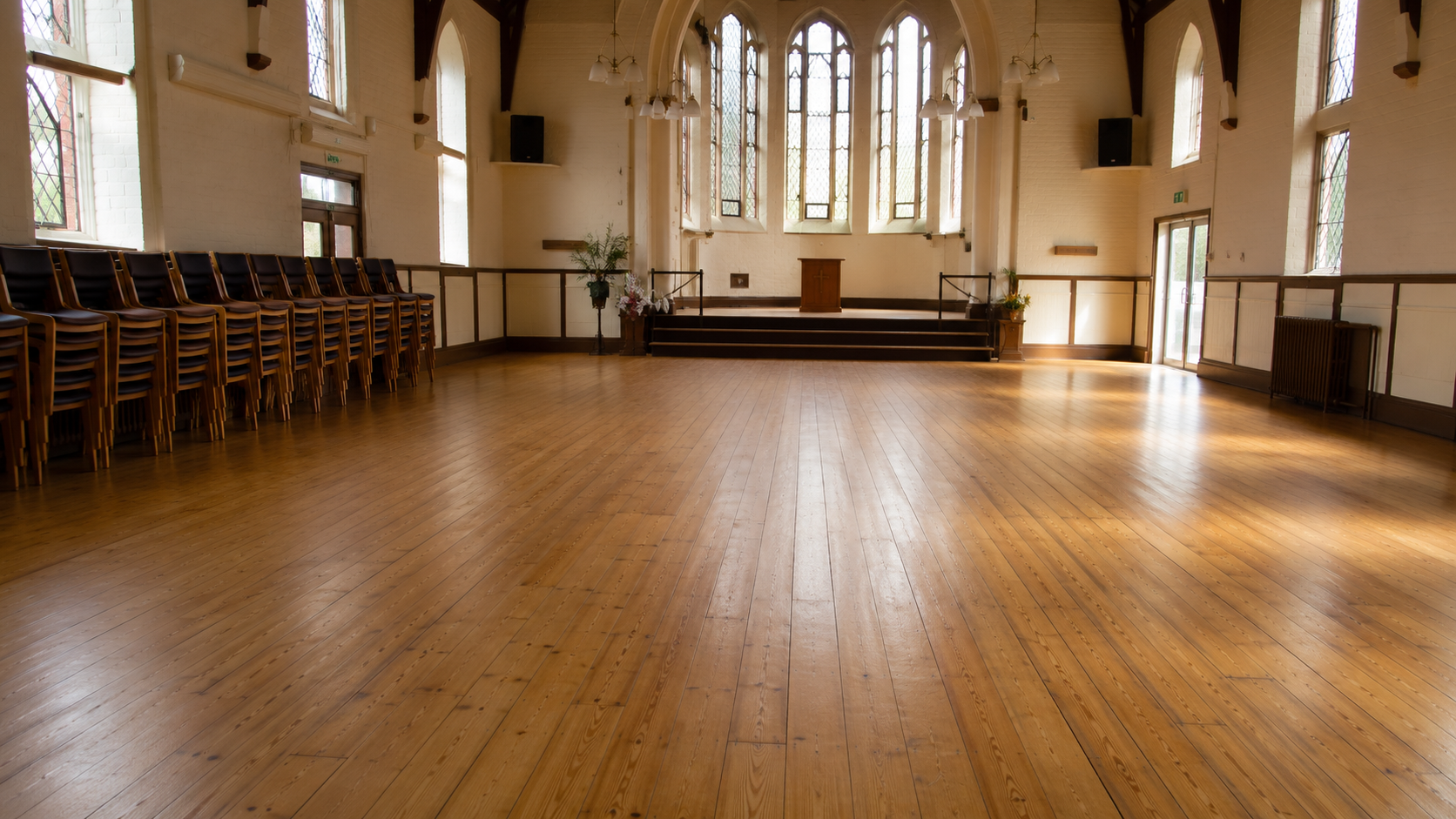
Church and community hall floors in Gants Hill IG2 take a unique kind of wear. Weekly services, community groups, playgroups, coffee mornings and hired events bring constant foot traffic across timber that was often laid decades ago. At places such as Gants Hill United Reformed Church on Woodford Avenue or Gants Hill Methodist Church on Gantshill Crescent, the original boards or parquet can become scuffed, gapped, uneven or coated in tired varnish that no longer protects the wood.
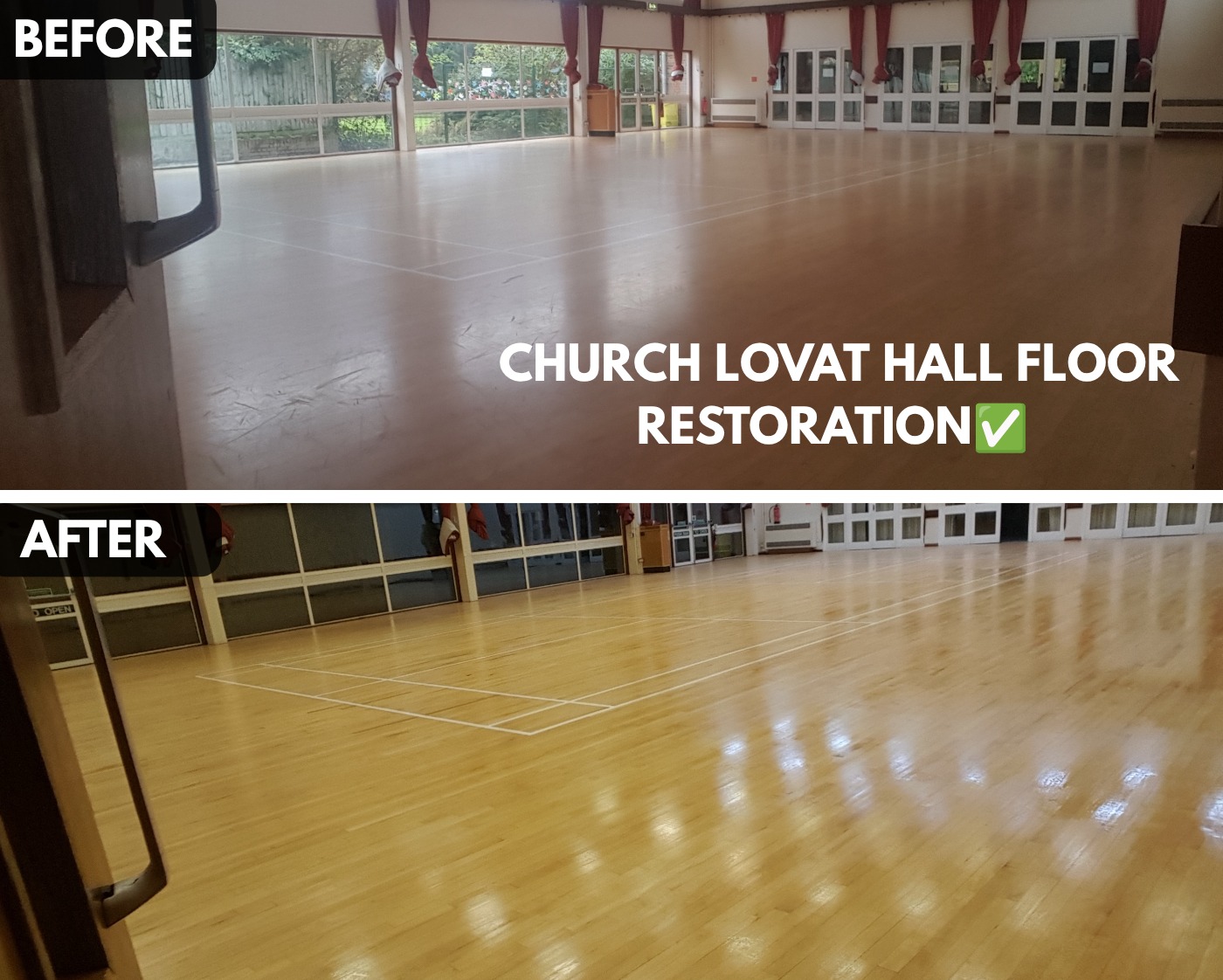
As specialists in church floor sanding in Gants Hill, we restore these spaces with minimal disruption so committees can keep the building open for worship and community use. Our approach to church floor restoration in Gants Hill combines thorough condition checks with dust-controlled methods and durable commercial finishes. Whether you need a trusted church floor sanding contractor in Gants Hill, we work around service times, school-term lettings and public access.We also support related high-traffic spaces. Our experience with school floor gap filling in Gants Hill IG2 and school gym floor sanding in Gants Hill IG2 means we understand the same demands of heavy use, safety standards and limited downtime that churches and halls face.
Why Church and Community Hall Floors Need Specialist Care
Timber floors in Gants Hill’s churches and halls endure far more than domestic wear. Temperature swings from heating systems, moisture from wet footwear on rainy Redbridge days, and decades of polishing create a layered problem: worn coatings, open gaps, loose boards or parquet blocks, and surface damage that traps dirt.
A simple recoat is rarely enough. Without proper sanding and preparation the new finish fails quickly. Our process begins with a clear assessment of timber condition, subfloor stability and existing coatings so the right repairs and finish can be chosen for the actual use of the space.
Our Step-by-Step Restoration Process
1. Initial Assessment and Planning
We start with a site visit or detailed photos and measurements. The survey checks moisture content, board movement, previous finishes and any heritage constraints. Scheduling is agreed around services, hall bookings and access requirements so the building stays usable. A clear written quote follows, based on the real condition of the floor rather than a standard price list.
2. Repairs, Board Replacement and Gap Filling
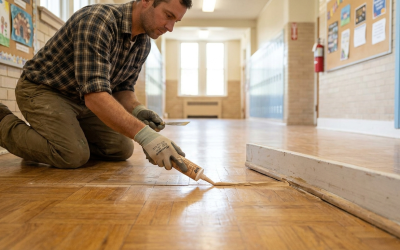
Loose floorboards or parquet blocks are re-secured. Damaged or missing timber is replaced with carefully matched material. Gaps are filled using resin systems or traditional timber slivers depending on width and movement. This stage removes trip hazards and creates a stable base for sanding. The same care we apply to school floor maintenance in Gants Hill IG2 is used here, because both environments demand long-term durability under continuous traffic.
3. Sanding and Surface Preparation
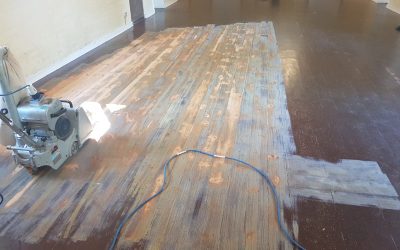
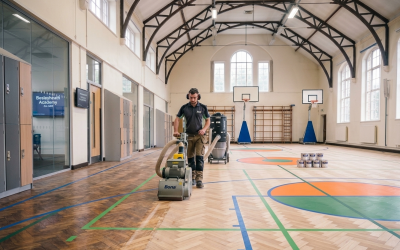
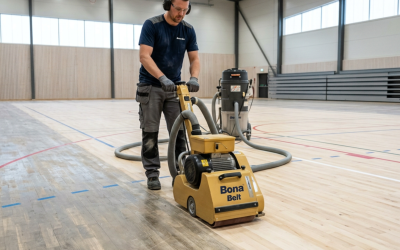
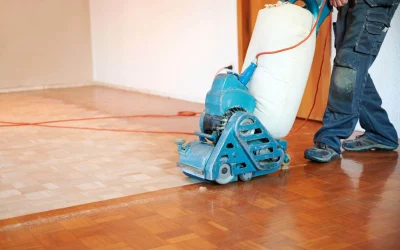
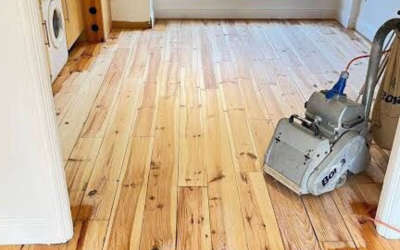
Dust-controlled machinery is essential inside a place of worship or community building. We use professional extraction systems that keep airborne dust to a minimum, protecting furnishings, organs, pews and the people who use the space. Progressive grit sequences remove old coatings, level the surface and prepare the timber for the chosen finish. Edges, corners and detailed areas receive equal attention so the result is even throughout.
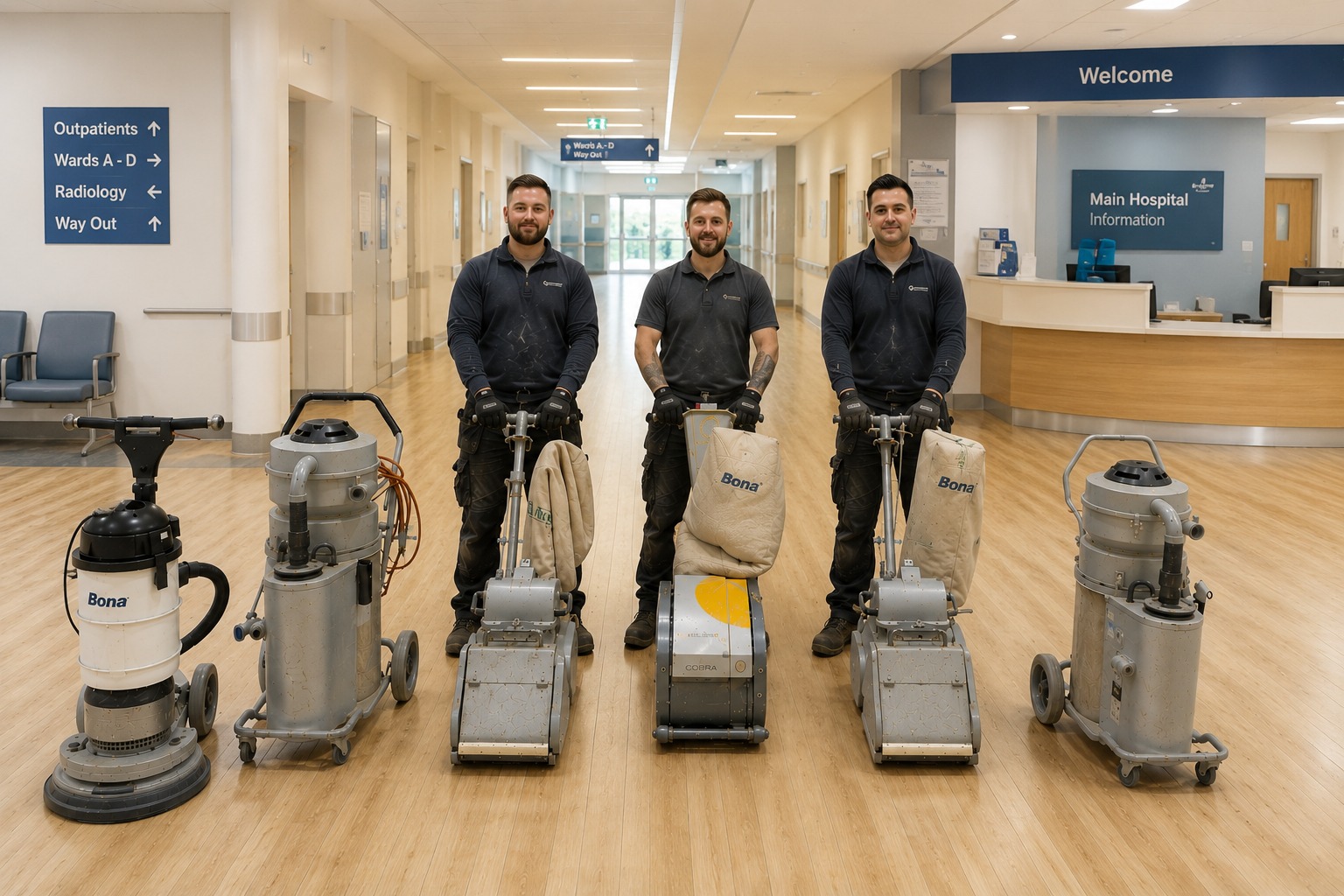
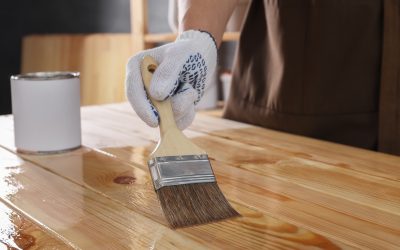
4. Finishing Options – Lacquer, Oil, Hardwax Oil and 2K Systems
The finish is selected for the level of use and the desired appearance:
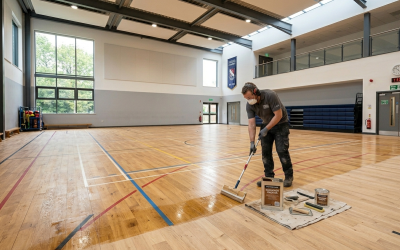
- Water-based commercial lacquers (such as those from Bona) offer fast curing, excellent durability and low odour – ideal when the hall must reopen quickly.
- Hardwax oils, including systems from Osmo, penetrate the timber and give a natural, breathable surface that is easy to maintain and repair in localised areas.
- Traditional oils or specialist 2K (two-component) finishes provide extra hardness for the highest traffic zones.
- Products from Junckers and Loba are also specified where sports-hall-grade performance or specific aesthetic results are required.
We discuss slip resistance, sheen level and maintenance expectations with the committee so the finish matches both practical needs and the character of the building. Guidance on maintaining hardwax-oil finishes in the local humidity is available in our related article on mastering hardwax oils.
5. Aftercare and Ongoing Maintenance
Once the floor is restored we leave clear maintenance advice. Regular dry cleaning, correct cleaning products and periodic re-oiling or recoating extend the life of the surface. For halls that also host sports or large events, the same principles used in refinishing Granwood and timber sports floors in commercial halls apply – durable protection without constant full re-sanding.
Trust Built on Experience and Practical Standards
With more than 25 years of commercial and heritage floor work across London and Essex, we understand the difference between a domestic living-room floor and a church nave or community hall that must remain presentable and safe every day.
Dust-controlled systems, safe working practices, flexible scheduling around public access, and premium professional products form the core of every project. Quotes are prepared from accurate site information – photographs, video, measurements or a visit – so there are no surprises. We treat every floor according to its condition and intended use rather than applying a one-size-fits-all method. Full details of our general wood floor sanding service in Gants Hill are available for those who want to see the broader process.
Frequently Asked Questions
How long does church and community hall floor sanding usually take in Gants Hill?
Most projects take between two and five days depending on the size of the hall, the condition of the timber and the number of coats required. We plan the work carefully around your service times and hall bookings so the building can reopen as quickly as possible.
Is the sanding process dusty inside a place of worship or community hall?
We use professional dust-controlled machinery with powerful extraction systems. This keeps airborne dust to a minimum, protecting furnishings, organs, pews and the people who use the space. The vast majority of dust is captured at source.
Can you schedule the work around church services and regular hall lettings?
Yes. Flexible scheduling is a core part of our service for churches and community halls. We can work during the week between services, over short breaks, or at times that suit your calendar so disruption to worship and community activities is kept as low as possible.
What type of finish is best for a high-traffic church or community hall floor?
We recommend durable commercial-grade options such as water-based lacquers from Bona, hardwax oils from Osmo, or specialist two-component systems. The choice depends on footfall levels, the desired appearance and how quickly the floor needs to be back in use. We always advise on the most practical finish for your specific building.
Do you repair loose boards, damaged parquet and large gaps?
Yes. Repair work is an essential stage of proper restoration. We re-secure loose floorboards or parquet blocks, replace damaged timber with carefully matched material, and fill gaps using resin or timber slivers as appropriate. This creates a stable, safe surface before sanding begins.
Will the restored floor still look traditional and suitable for a heritage church building?
Absolutely. We take great care to preserve the natural character of the original timber. Whether the floor is pine, oak or traditional parquet, the final appearance can range from a natural oiled look to a more refined lacquered finish while remaining in keeping with the building’s style.
How do we obtain an accurate quote for our church or hall floor?
The simplest way is to call 0800 335 7565 or send clear photographs and a short video of the floor. Where needed we can arrange a site visit. Quotes are based on the actual condition of the timber, the size of the area and the chosen finish, so there are no surprises.
What aftercare is required once the floor has been restored?
We provide clear, practical maintenance advice tailored to the finish used. Regular dry cleaning, the correct cleaning products and occasional re-oiling or recoating will keep the floor looking good and performing well for many years. We are always happy to advise on ongoing care.
Is church floor sanding different from ordinary domestic floor sanding?
Yes. Church and community hall floors face much heavier foot traffic, longer opening hours and higher safety expectations. We use commercial-grade machinery, stronger finishes and work practices designed specifically for these environments, along with careful planning around public access.
Do you also work on school halls and other community buildings in the Gants Hill area?
Yes. We regularly restore floors in schools, gyms and community spaces across Gants Hill and the wider Redbridge area. The same dust-controlled methods, repair techniques and durable finishes used for churches are applied to these buildings, giving consistent, long-lasting results.

Ready to Restore Your Church or Community Hall Floor?
Worn timber floors do not have to remain a safety concern or a visual distraction. A properly restored surface improves safety, reduces cleaning time and returns the natural character of the wood that belongs in Gants Hill’s churches and halls.
Call us on 0800 335 7565 for a straightforward conversation about your floor. You can also send clear photographs or a short video of the area for an initial assessment and fast quotation. We will advise on the most practical route – full restoration, targeted repairs or a planned maintenance programme – so your building continues to serve the community with floors that look and perform as they should.